
How Much Does a House Extension Cost in St Albans? | Local Builder’s Guide
In St Albans, where a three bedroom semi regularly sells for over half a million pounds and the cost of stepping up to a four bedroom house adds another £150,000 to £250,000 to the price tag — plus stamp duty that can exceed £15,000, estate agent fees, solicitor costs, and the upheaval of moving — extending the home you already own makes overwhelming financial sense. You invest directly into usable space and property value rather than handing tens of thousands to intermediaries, and you keep the location, the schools, the neighbours, and the character of a property you chose for good reasons.
But extension costs vary depending on what you are building, how large it is, what specification you choose, and what your specific property requires. St Albans adds its own considerations — the city’s extensive conservation area coverage, the mix of period and inter-war housing, and property values that reward quality work all influence both the design approach and the cost. This guide sets out realistic prices for different types of extension across St Albans and helps you budget with confidence.
Single Storey Extension Costs
A single storey rear extension is the most popular project we build across St Albans. It adds ground floor space for a larger kitchen-diner, an expanded living area, a home office, or a ground floor bedroom without the cost and complexity of building upward.
A modest rear extension of around three metres deep across a standard semi typically costs between £24,000 and £36,000. This covers foundations, brickwork, roof, doors, plastering, electrics, flooring, and decoration. The semi-detached and terraced properties across Fleetville, Marshalswick, and the established residential streets suit this size well.
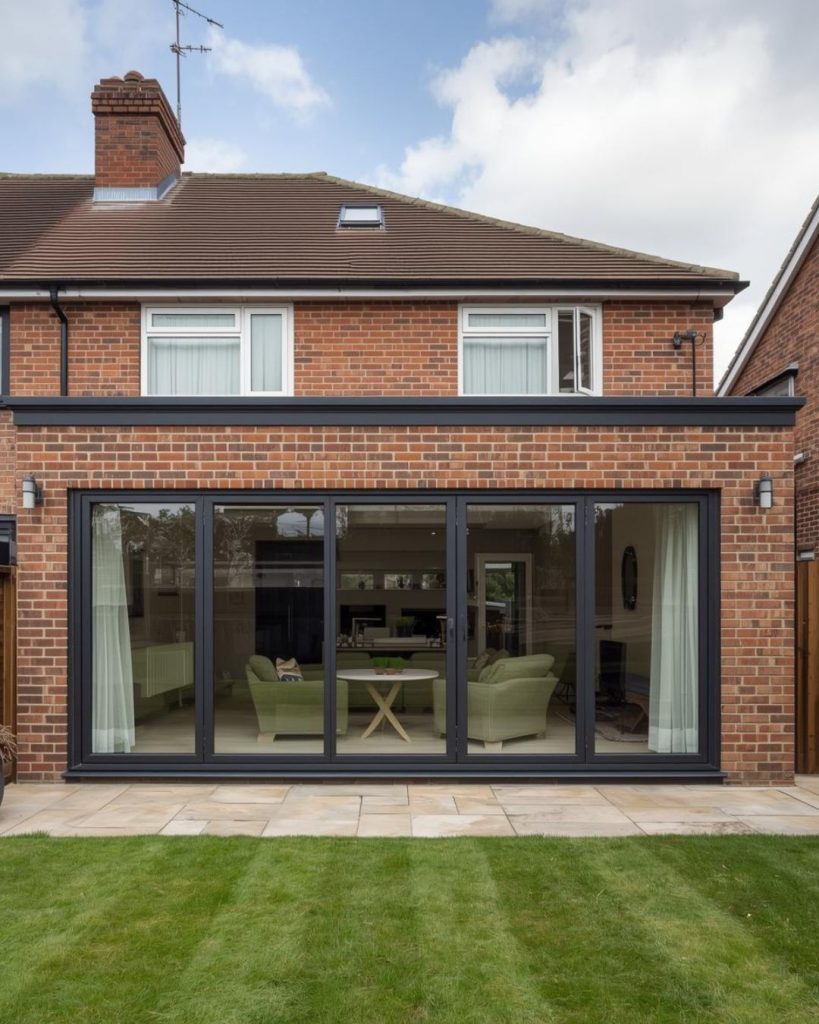
A larger extension of four to six metres with quality aluminium bi-fold doors, skylights or a roof lantern, underfloor heating, and a fully fitted kitchen typically costs between £38,000 and £58,000. This is the most common bracket for St Albans homeowners creating open-plan kitchen-diners that transform the ground floor.
A premium specification with large-format sliding doors, structural glazing, stone or porcelain flooring, underfloor heating throughout, and a high-end kitchen installation reaches £58,000 to £80,000 or more. The larger detached properties across Bernards Heath, Jersey Farm, and the premium streets near Verulamium Park typically commission extensions at this level, where the investment matches property values that reward quality.
Double Storey Extension Costs
When you need space on both floors, a double storey extension delivers the most room for your investment. Foundations, walls, and roof serve both levels, costing significantly less per square metre than constructing the same total area as separate single storey projects.
A double storey rear extension in St Albans typically costs between £38,000 and £72,000 depending on size and specification. The ground floor usually provides an enlarged kitchen-diner or living space while the first floor adds one or two bedrooms, a bathroom, or an ensuite above.
The cost per square metre tells the value story clearly. Single storey works out at £1,800 to £2,500 per square metre. Double storey comes in at £1,400 to £2,000 per square metre because the expensive elements — foundations, groundwork, scaffolding — only happen once regardless of how many storeys sit above them.
Double storey extensions require planning permission through St Albans City and District Council. The city’s conservation areas and established residential streetscapes mean design quality matters particularly — the extension needs to complement the existing property in materials, proportions, and roofline.
Side Return and Wrap-Around Extensions
Many of St Albans’ Victorian and Edwardian properties — particularly the terraces through Fleetville and the older streets around the city centre — have narrow side returns running alongside the property. Extending into this unused strip adds valuable width to the ground floor without consuming garden space.
A side return extension typically costs between £16,000 and £28,000. The narrower the passage and the shorter the extension, the lower the cost. Even a modest side return transforms a cramped galley kitchen into a room with genuine breathing space.
Combining a side return with a rear extension creates a wrap-around — an L-shaped addition that maximises the ground floor footprint in one coordinated project. Wrap-around extensions typically cost between £32,000 and £58,000 and deliver the most dramatic ground floor transformations available.
What Affects the Cost?
Size is the most straightforward variable. Extension costs work roughly on a per-square-metre basis, with the rate decreasing slightly on larger projects because certain fixed costs do not scale proportionally.
Ground conditions matter across St Albans. The city sits on chalk and clay which behaves differently depending on moisture levels and proximity to trees. Properties with large trees near the extension footprint may need deeper foundations or engineered solutions that add cost. Your builder should assess ground conditions during the initial visit and account for them in the quote.
The rear opening has a significant impact on both cost and daily experience. Standard patio doors cost between £800 and £1,500. Quality aluminium bi-fold doors spanning three to four metres typically cost £3,000 to £6,000. Large-format sliding doors can reach £5,000 to £8,000. The difference in how the finished room connects with the garden is substantial.
Conservation area requirements affect properties across much of St Albans. Extensions within conservation areas face additional design scrutiny and may require specific materials or design approaches to gain approval. The cost of conservation-grade materials and design detail can add to the overall budget.
Internal specification from basic to premium creates the widest cost variation. Being clear about your priorities before requesting quotes ensures every builder prices the same standard.
Planning Permission
Single storey rear extensions up to three metres for attached houses or four metres for detached typically proceed under permitted development. Larger extensions use the prior approval process. Double storey extensions need full planning permission through St Albans City and District Council.
Within conservation areas, permitted development rights may be more restricted. Check the planning position for your specific property before committing to a design.
Getting the Best Value
Get itemised quotes from two or three experienced local builders. Compare like for like — check each covers the same specification, scope, and finishing standard. Invest in the elements that matter longest — foundations, steelwork, quality doors and windows. Build in a contingency of ten to fifteen percent.
In St Albans’ premium market, the quality of extension work directly affects property value. A well-built extension with quality finishing adds more value per pound than a cheaper build with lower specification. The investment in quality returns more when you sell than the saving from cutting corners.
If you are considering an extension at your St Albans home, get in touch for a free consultation. We will visit, discuss your requirements, assess the site, and provide a detailed quote so you can plan with confidence.